
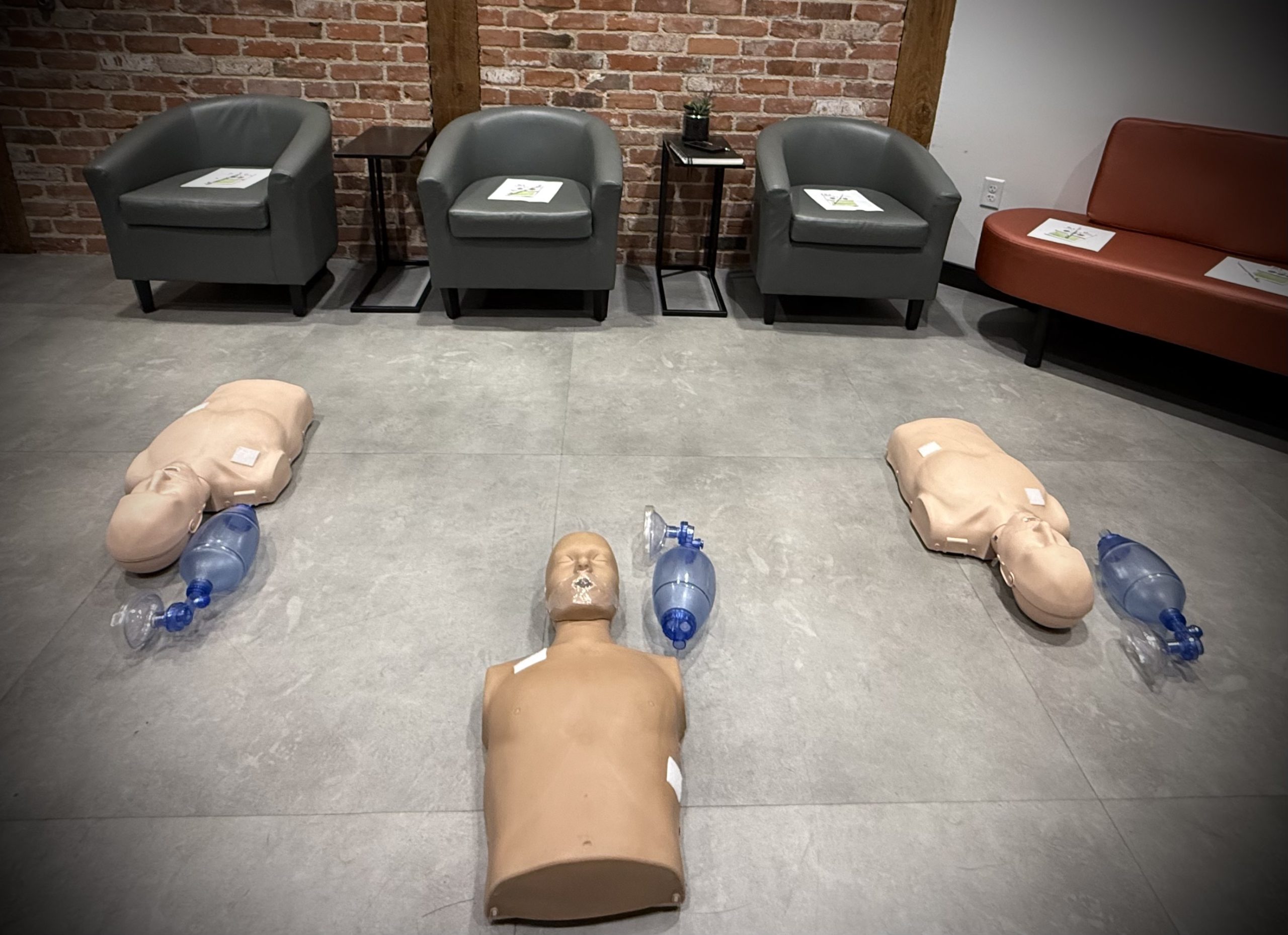
Hands-Only CPR vs Traditional CPR: The Life-Saving Differences You Need to Know
When someone collapses from sudden cardiac arrest, every second matters. Understanding Hands-Only CPR vs Traditional CPR can help bystanders respond quickly and confidently while waiting for emergency responders to arrive. Knowing the difference between these life-saving techniques allows you to take action and provide critical help during an emergency.
What Is Hands-Only CPR?
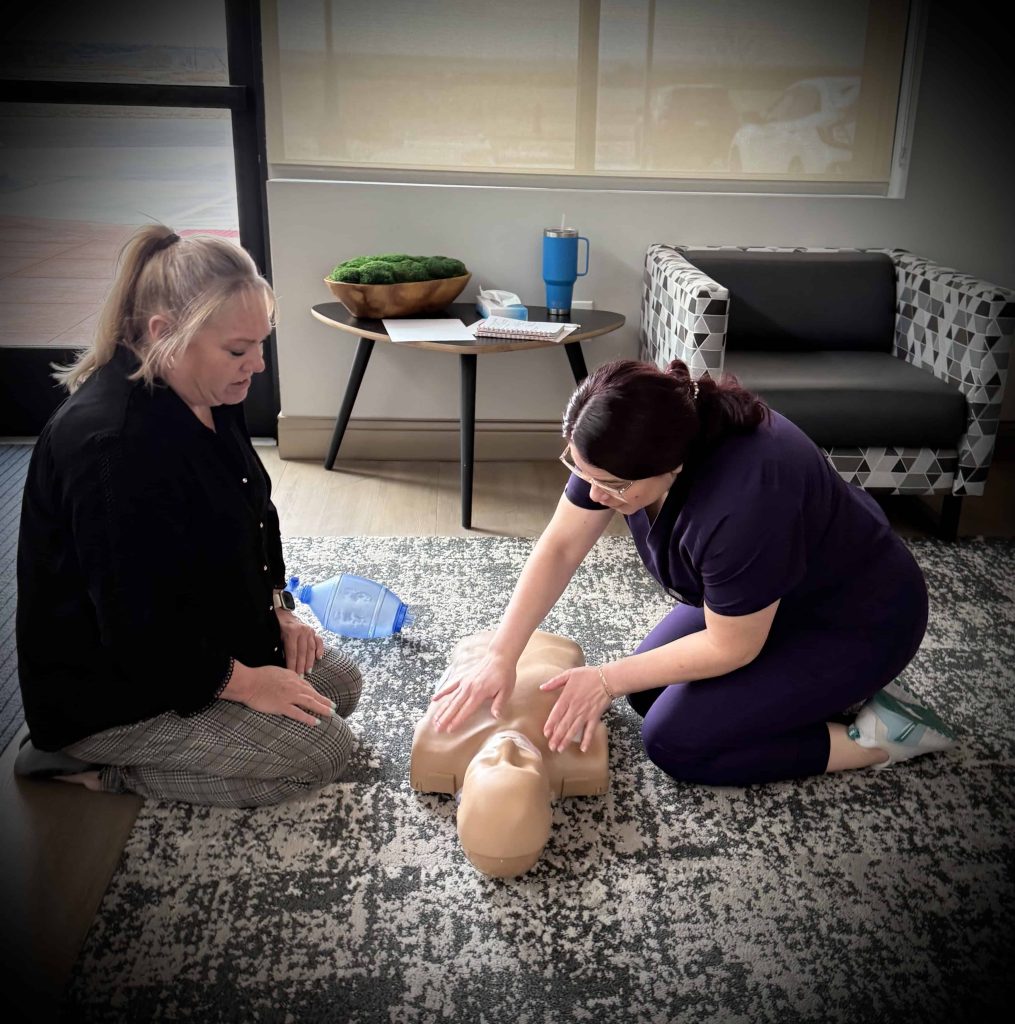
Hands-Only CPR is a simplified form of CPR designed for bystanders who witness a sudden cardiac arrest. It focuses on continuous chest compressions without rescue breaths.
The American Heart Association recommends Hands-Only CPR for untrained bystanders or those who are not comfortable giving mouth-to-mouth breaths.
The Steps for Hands-Only CPR
- Call 911 immediately or have someone else call.
- Push hard and fast in the center of the chest.
- Compress the chest at a rate of 100–120 compressions per minute.
- Continue compressions until help arrives or an AED becomes available.
Hands-Only CPR helps keep blood flowing to the brain and vital organs until professional help arrives.
What Is Traditional CPR?
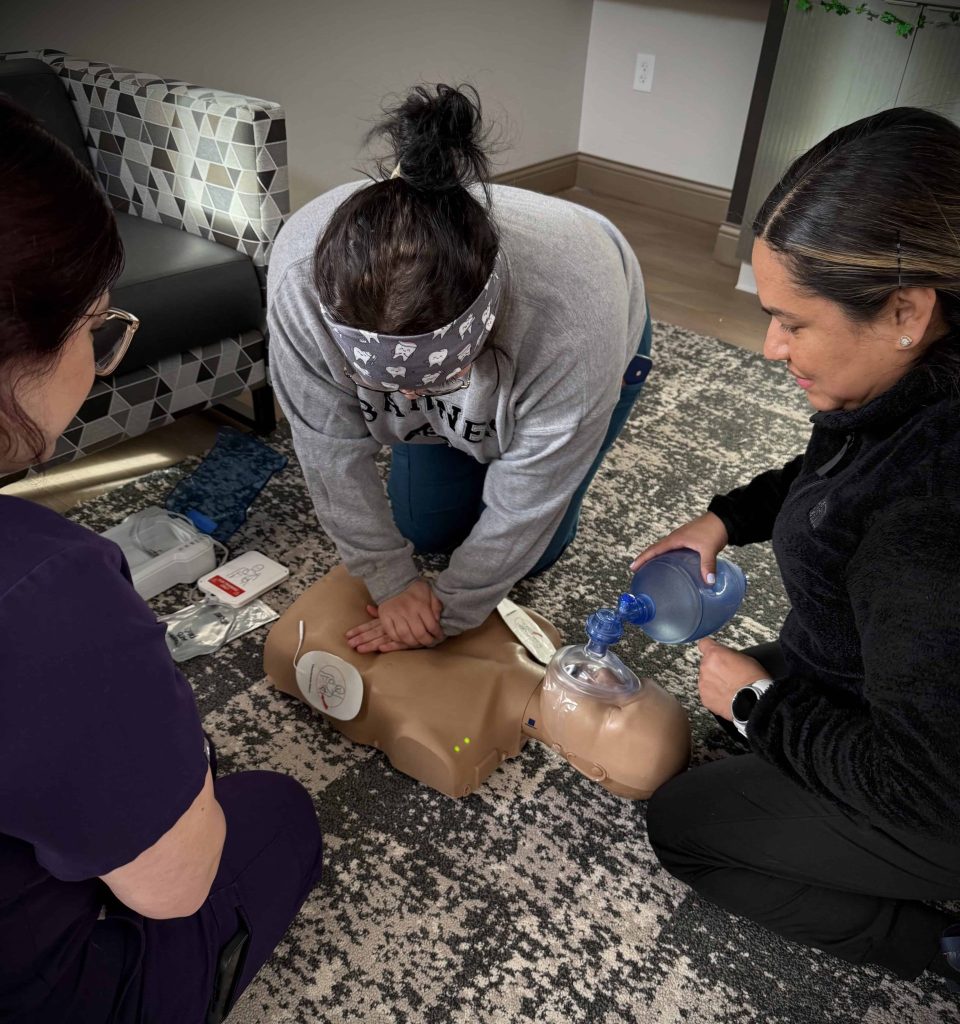
Traditional CPR includes both chest compressions and rescue breaths. This method is typically taught in CPR certification courses and is recommended for trained rescuers.
Traditional CPR follows a 30 compressions to 2 breaths ratio.
The Steps for Traditional CPR
- Call 911 and check for responsiveness.
- Begin 30 chest compressions.
- Give 2 rescue breaths.
- Continue the cycle of 30 compressions and 2 breaths.
- Use an AED if available.
This approach provides both circulation through compressions and oxygen through rescue breathing.
When Should Each Method Be Used?
Both methods are effective, but they are recommended in different situations.
Hands-Only CPR is Recommended For:
- Adult sudden cardiac arrest
- Untrained bystanders
- Situations where a rescuer is unwilling or unable to provide rescue breaths
Traditional CPR is Recommended For:
- Infants and children
- Drowning victims
- Drug overdoses
- Respiratory emergencies
- Situations where oxygen deprivation caused the cardiac arrest
In these cases, rescue breaths can be especially important.
Why Hands-Only CPR Is So Important
Many people hesitate to help during an emergency because they are unsure about mouth-to-mouth breathing. Hands-Only CPR removes that barrier and allows more people to take action.
Immediate CPR can double or even triple a person’s chance of survival after sudden cardiac arrest.
The key takeaway is simple:
Doing something is always better than doing nothing.
Learn CPR with Confidence
While Hands-Only CPR is a valuable skill for anyone to know, taking a full CPR training course helps build confidence and teaches additional life-saving techniques.
At NoCo CPR, our courses provide hands-on training in:
- Adult, child, and infant CPR
- AED use
- Rescue breathing
- Real-world emergency scenarios
Whether you’re a healthcare professional, a workplace team member, or a community member who simply wants to be prepared, learning CPR can give you the confidence to step in during a life-threatening emergency.
Be Ready to Save a Life
Cardiac arrest can happen anywhere — at home, at work, or in public. When more people know CPR, more lives can be saved. Understanding Hands-Only CPR vs Traditional CPR can help you act quickly and provide life-saving care until emergency responders arrive.
Learning the difference between Hands-Only CPR vs Traditional CPR is an important step toward being prepared when someone needs help the most.
