
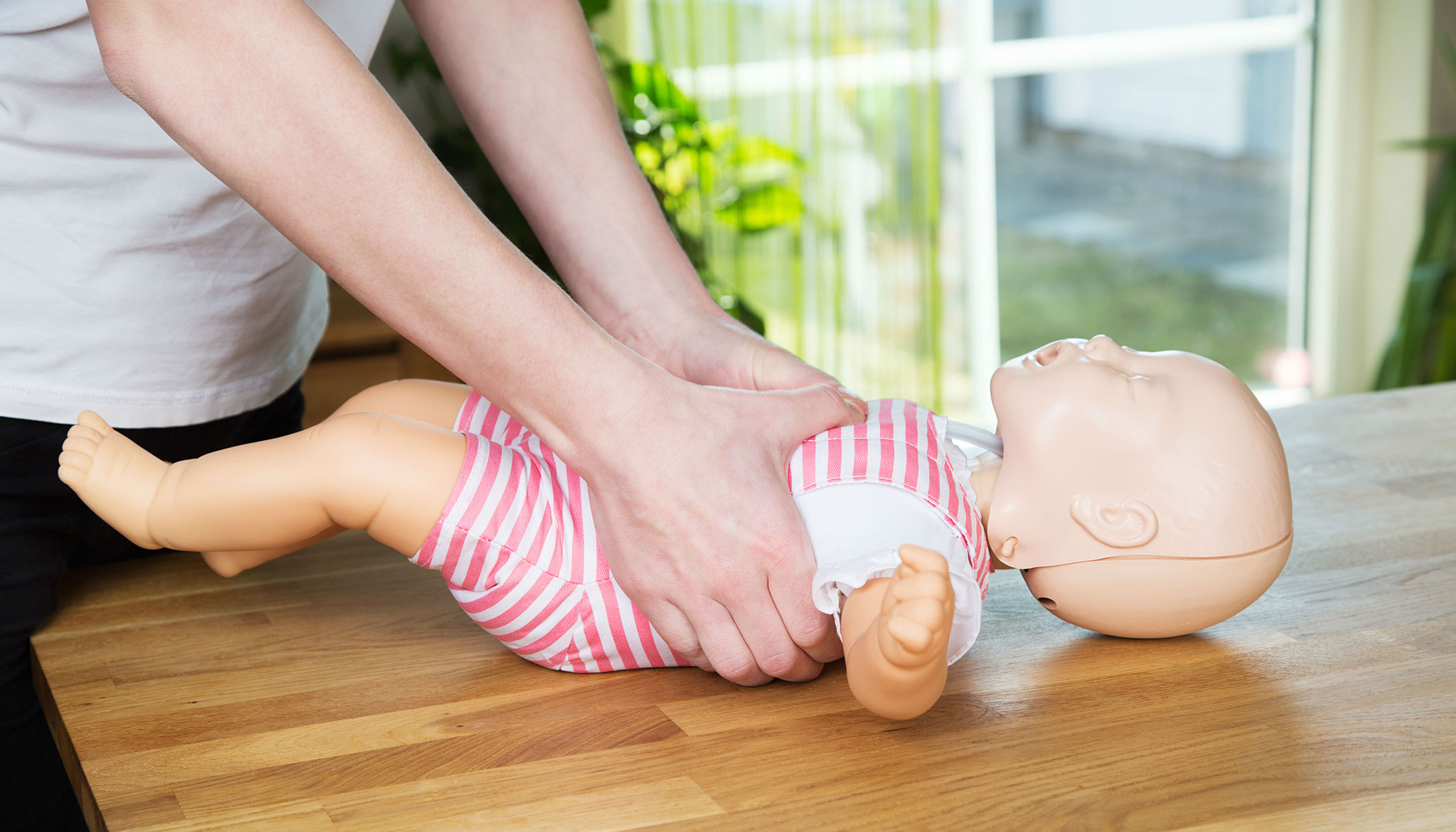
As a parent, guardian, or caregiver, knowing how to perform CPR on infants and children can make a life-saving difference. While adult CPR techniques are widely taught, infants and children require special considerations due to their smaller bodies and unique physiology.
At NoCo CPR, we want to empower you with the knowledge and confidence to respond quickly during emergencies. Here’s what you need to know about infant and child CPR.
When CPR Is Needed
Infants (under 1 year) and children (ages 1 to puberty) may need CPR if they experience:
- Unresponsiveness or unconsciousness
- Difficulty breathing or no breathing
- No pulse
Unlike adults, cardiac arrest in children is often caused by breathing problems rather than heart issues. That’s why CPR techniques emphasize rescue breaths along with chest compressions.
Infant CPR Basics (Under 1 Year)
- Check Responsiveness and Breathing: Tap the infant’s foot and call their name. Look for normal breathing.
- Call for Help: If alone, perform 2 minutes of CPR before calling 911, if the incident was unwitnessed. If someone is with you, have them call immediately.
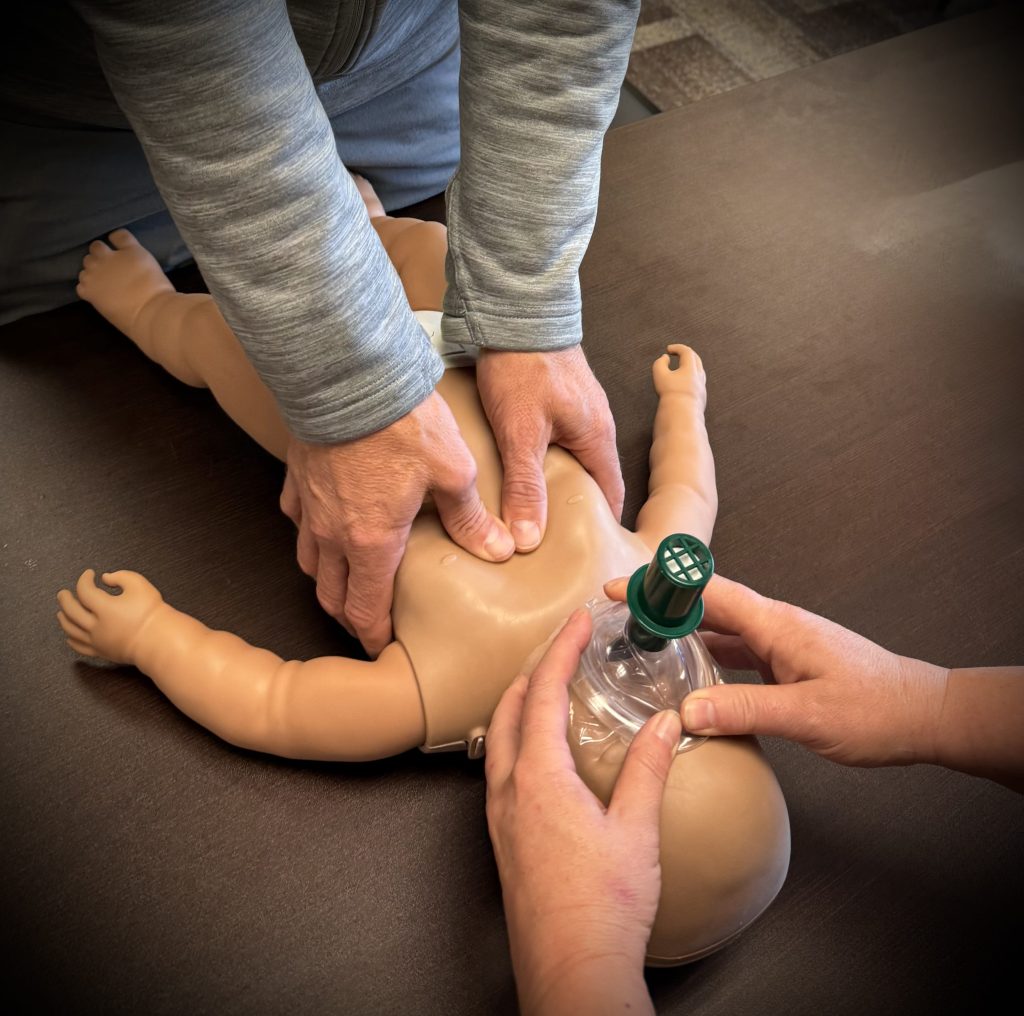
- Chest Compressions: Use two thumbs side by side on the lower half of the breastbone, while the remaining fingers encircling around the infant chest. Thumbs should be positioned in the center of the chest, just below the nipple line. Push approximately 1.5 inches deep at a rate of 100–120 compressions per minute.
- Rescue Breaths: Cover the infant’s mouth and nose with your mouth and give 2 gentle breaths after 30 compressions. Each breath should last about 1 second and make the chest rise.
- Continue CPR: Repeat cycles of 30 compressions and 2 breaths (for single rescuer) until help arrives or the infant starts breathing.
Child CPR Basics (Ages 1 to puberty)
- Check Responsiveness and Breathing: Tap the child and call their name.
- Call for Help: Always call 911 immediately if the child is unresponsive.
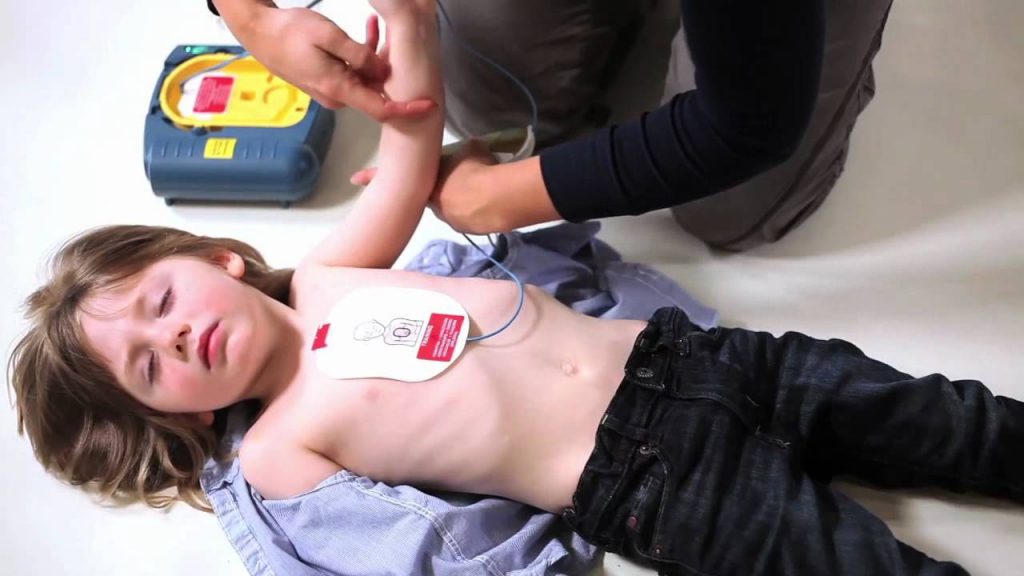
- Chest Compressions: Use one or two hands, depending on the child’s size, in the center of the chest. Push approximately 2 inches deep at a rate of 100–120 per minute.
- Rescue Breaths: Give 2 breaths after 30 compressions, ensuring the chest rises with each breath.
- Continue CPR: Keep performing cycles of 30 compressions and 2 breaths (for single rescuer) until the child starts breathing or emergency personnel arrive.
Key Differences Between Infant, Child, and Adult CPR
| Feature | Infant | Child | Adult |
|---|---|---|---|
| Age | <1 yr | 1 to puberty | Onset of puberty |
| Compressions | 2 thumbs | 1–2 hands | 2 hands |
| Depth of compressions | Approximately 1.5 inches | Approximately 2 inches | At least 2 inches |
| Breaths | Cover mouth & nose | Mouth-to-mouth | Mouth-to-mouth |
| Ratio (Compressions:Breaths) | 1 Rescuer- 30:2 2 Rescuer- 15:2 | 1 Rescuer- 30:2 2 Rescuer- 15:2 | 30:2 |
Why Learning Infant and Child CPR Matters
- Quick response saves lives: Seconds count in emergencies.
- Prevents brain damage: Proper CPR maintains blood flow and oxygen delivery.
- Empowers caregivers: Confidence in emergencies reduces panic and improves outcomes.
Get Hands-On CPR Training with NoCo CPR
Reading about CPR is helpful, but hands-on practice is crucial. At NoCo CPR, our instructors provide live demonstrations and practice using realistic infant and child manikins. You’ll leave with the skills and confidence to act in real-life emergencies.
Are ready to make a difference? Learn Infant and Child CPR
